Marie Matusz
Shift
22 November 2025 — 24 January 2026

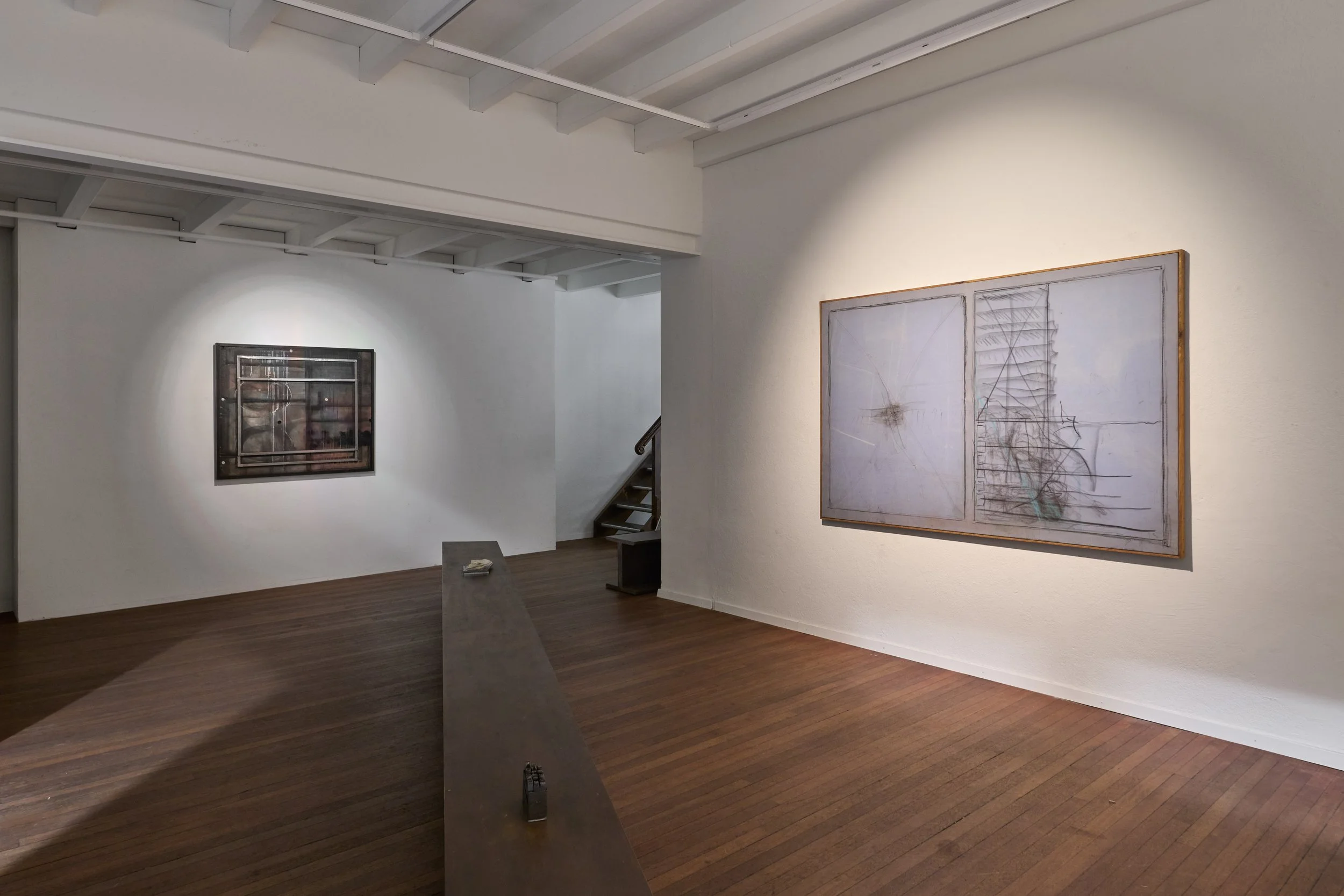
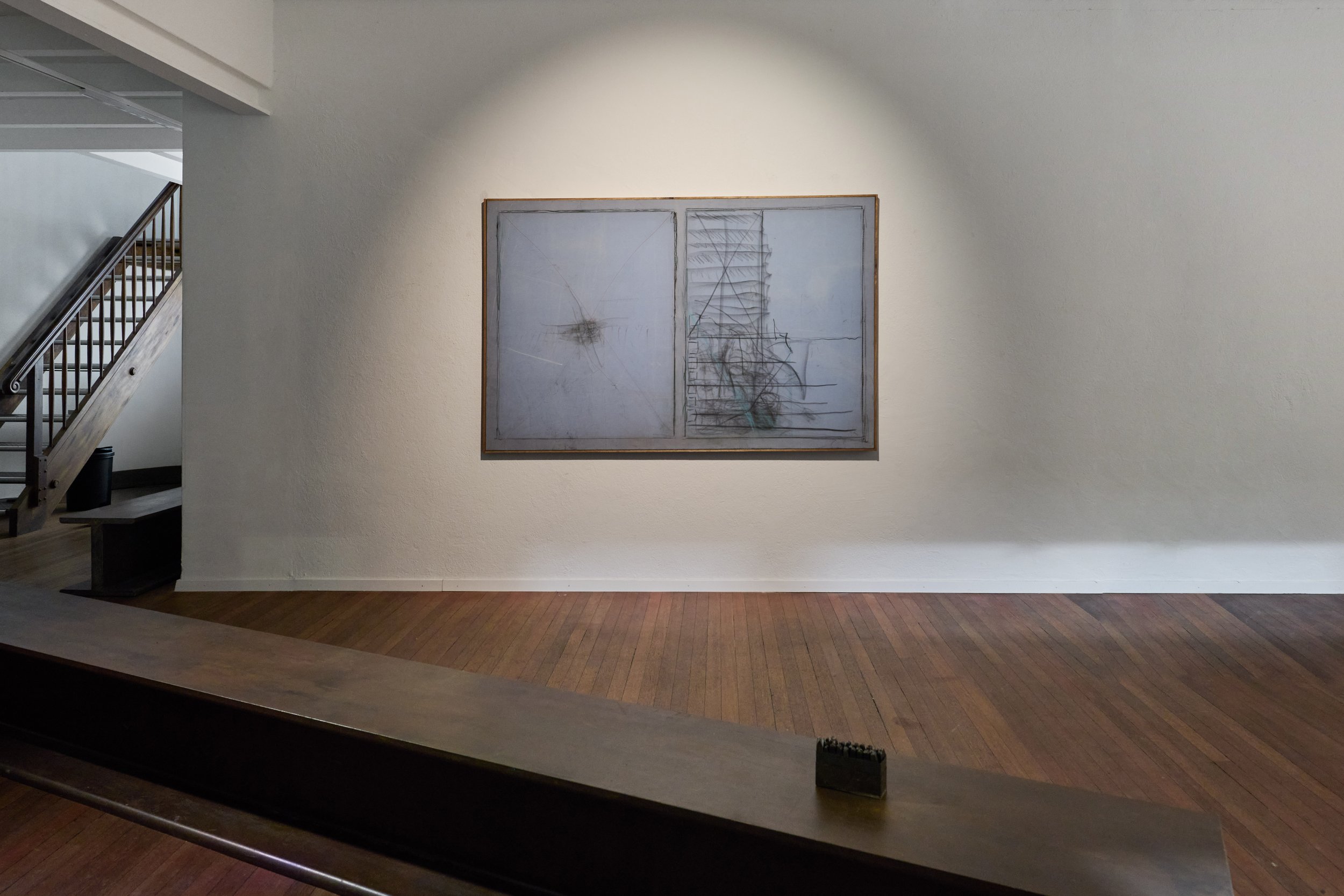

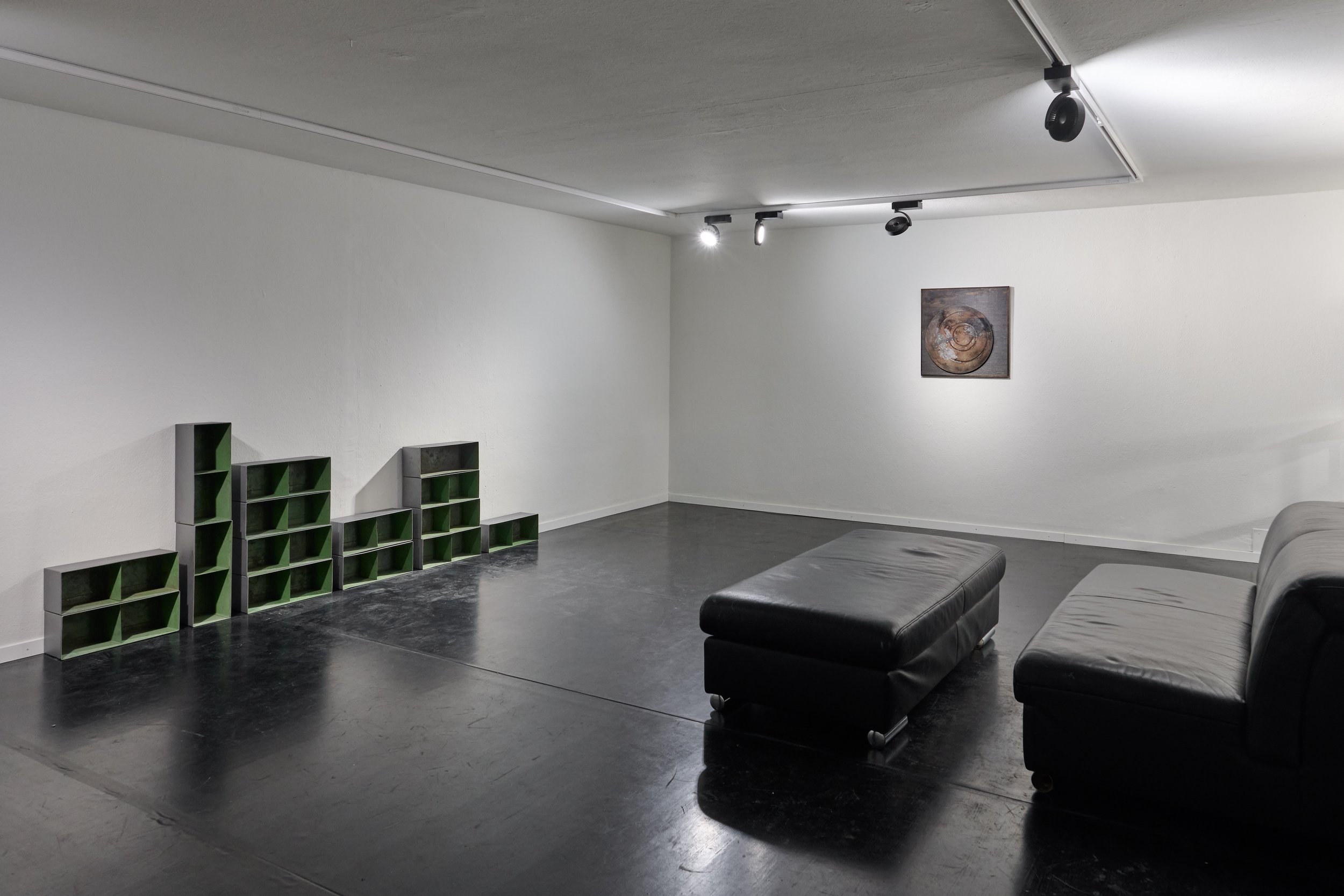
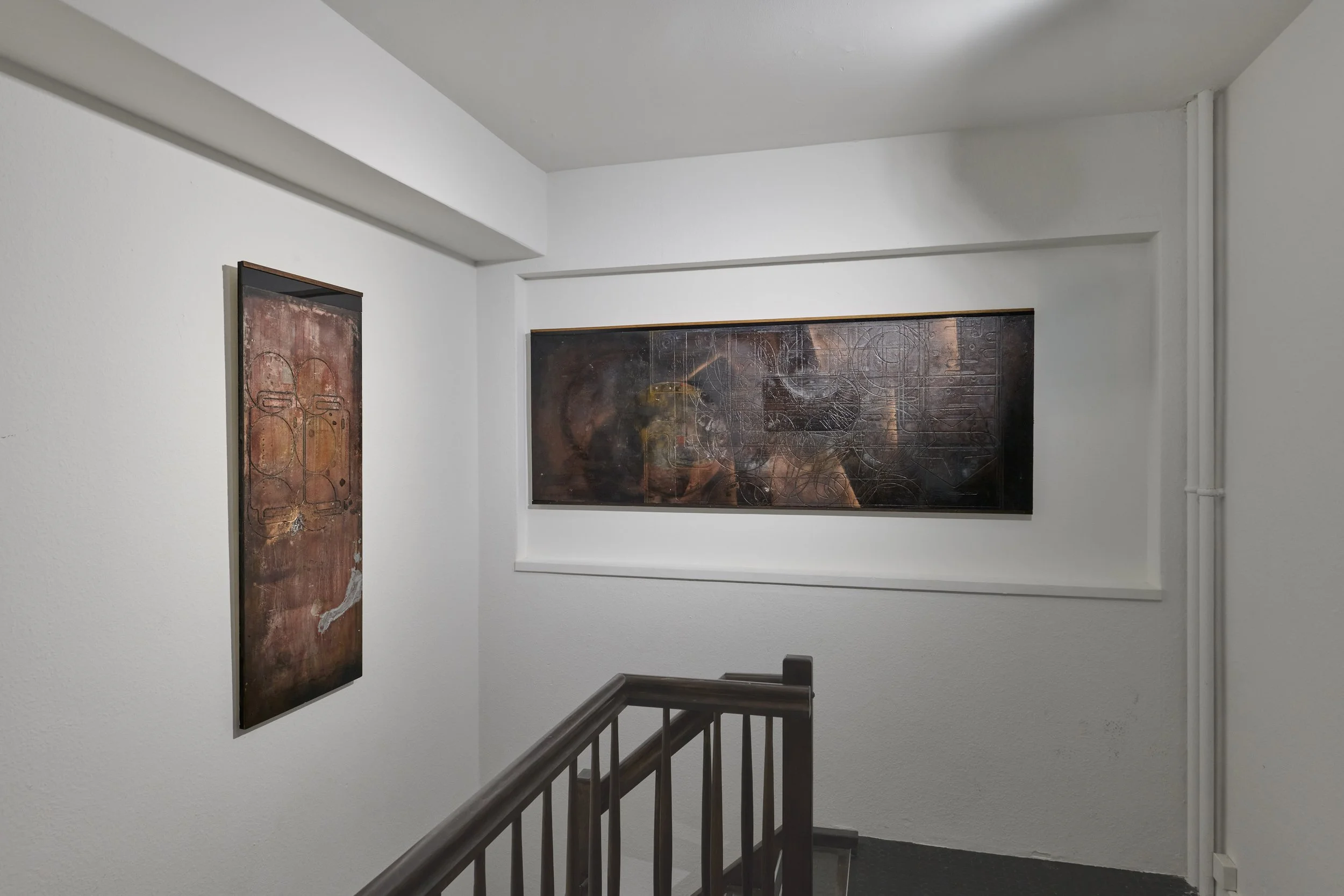
In Shift, Marie Matusz deepens her engagement with haptic perception and the unstable boundary between structure and sensibility. The exhibition brings together new sculptures and wall works shaped from veneered wood, metal, plexiglass, waxed cotton, and industrial vestiges, materials that are at once economical and imbued with intimate care. Through these hybrid forms, Matusz composes an environment where objects behave like bodies, surfaces carry memories, and the built world slips into something simultaneously familiar and estranged.
At the center of the exhibition is the idea of illusion, not as deception, but as a productive shift of perspective. Matusz draws from theatre set design, from the constructed horizons of city planning, and from the ambivalent status of decorative façades: structures that appear load-bearing but conceal their true purpose, patterns that resemble Rorschach tests, and surfaces that pretend to be what they are not. Two large “fake beams” articulate this tension, acting as architectural supports for a structure that performs presence while denying function. Here, industrial eros opens onto intimate ambiances, suggesting that the smallest material shifts can destabilize an entire spatial logic.
Many works in Shift emerge from the assemblage of factory leftovers, laser-cut metal, CNC-etched composite wood, sandblasted surfaces. These procedures mark the pieces with traces of machinic exhaustion: endlessly repeated cuts, dense flows of data translated into gestures, patterns that feel both overworked and strangely animate. This oscillation between materiality and intimacy extends to the exhibition’s scenography. The gallery is reshaped into a domestic, communal space, a counter-model to market-facing neutrality. By inviting close collaborators and friends into the project, Matusz places the emphasis on shared space and emotional proximity. The result is an environment that resonates rather than dictates, where perception unfolds through bodily presence, shadow, and the subtle drift between light and dark.
Throughout the exhibition, motifs of circles, windows, and orbital forms signal Matusz’s long-standing interest in cosmological thought, particularly the speculative horizon of Russian Cosmism. Figures such as Nikolai Fedorov imagined architecture, technology, and systems of care as forces capable not merely of shaping life, but of mediating the thresholds between preservation and decay, continuity and disappearance. In this context, architecture becomes a vessel that absorbs the traces of lived time, while technologies become indexes of human desire to prolong, archive, or even reanimate what slips away. These histories of radical maintenance, cosmic projection, and the impossible wish to steer time inform the exhibition’s attention to what is absent yet palpably present, what is preserved yet continually reconfigured.
Shift invites us to inhabit these tensions rather than resolve them. It asks us to consider how objects shape us, how we live among their cycles of wear and renewal, and how an attentive reading of surfaces, scars, and shadows might reveal the unearthed feelings embedded in our conflicted relationship to time, architecture, and the engines of production. The exhibition folds these contradictions into a mutable atmosphere—one in which the familiar becomes estranged through the residues of what has been built, used and felt.
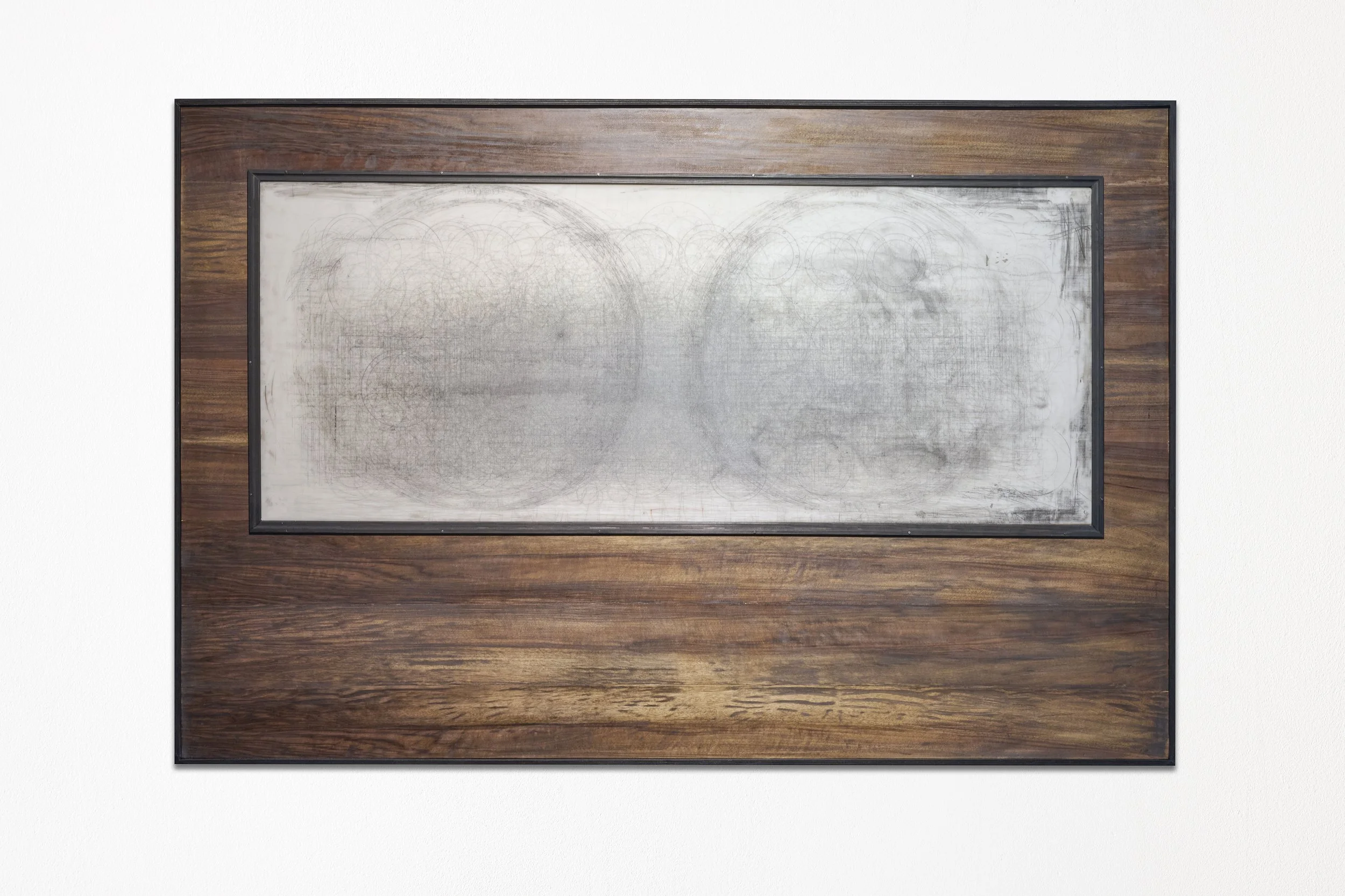
Marie Matusz Parallels (Treatise on the void) 2025 Corian, veneered wood 193 x 129 x 7 cm
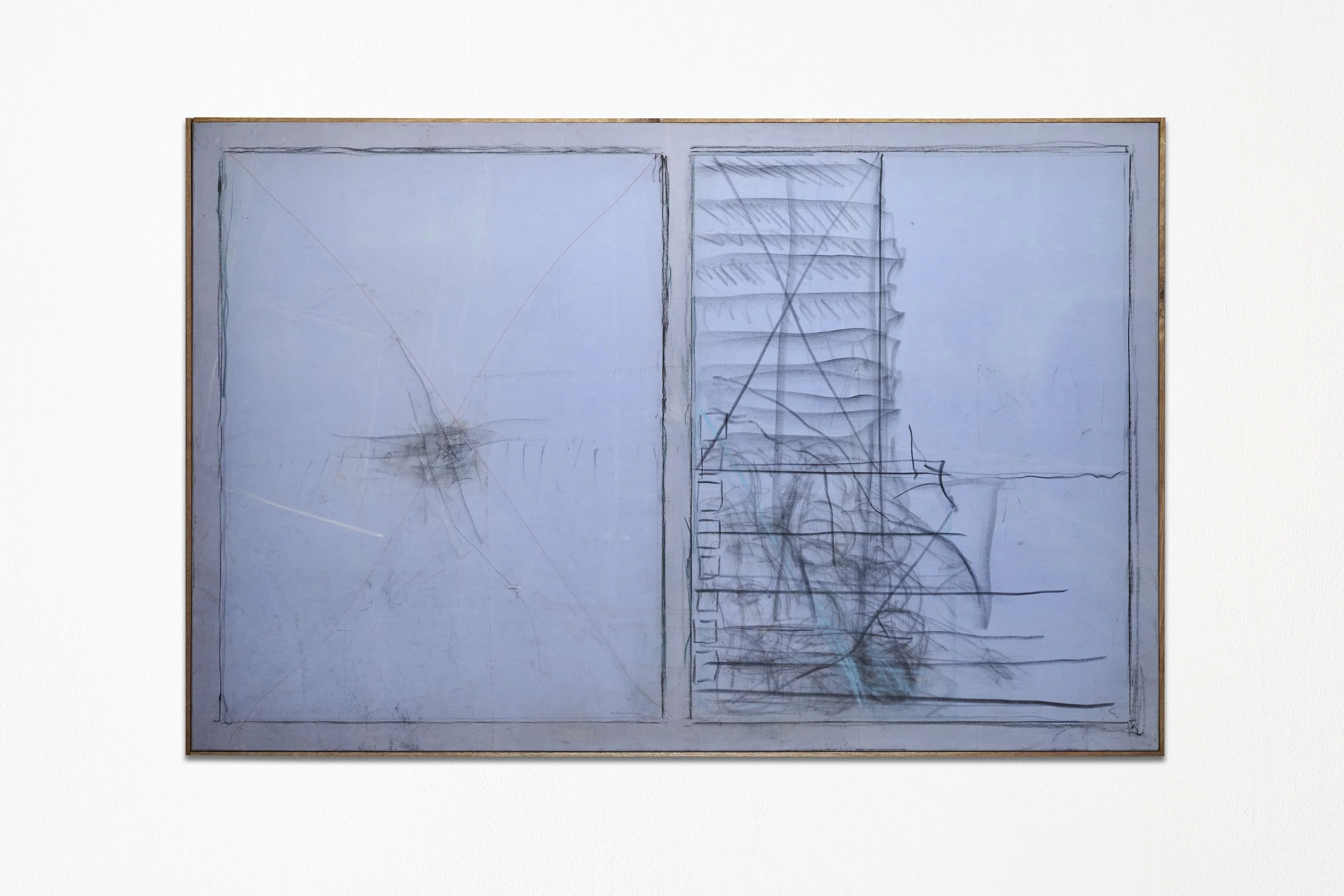
Marie Matusz Day to day, night to night; dans le vide je vois le monde en entier, 2025 Oil, acrylic, charcoal and coloured pencil on waxed cotton, mahogany wood 202 x 132 x 4 cm
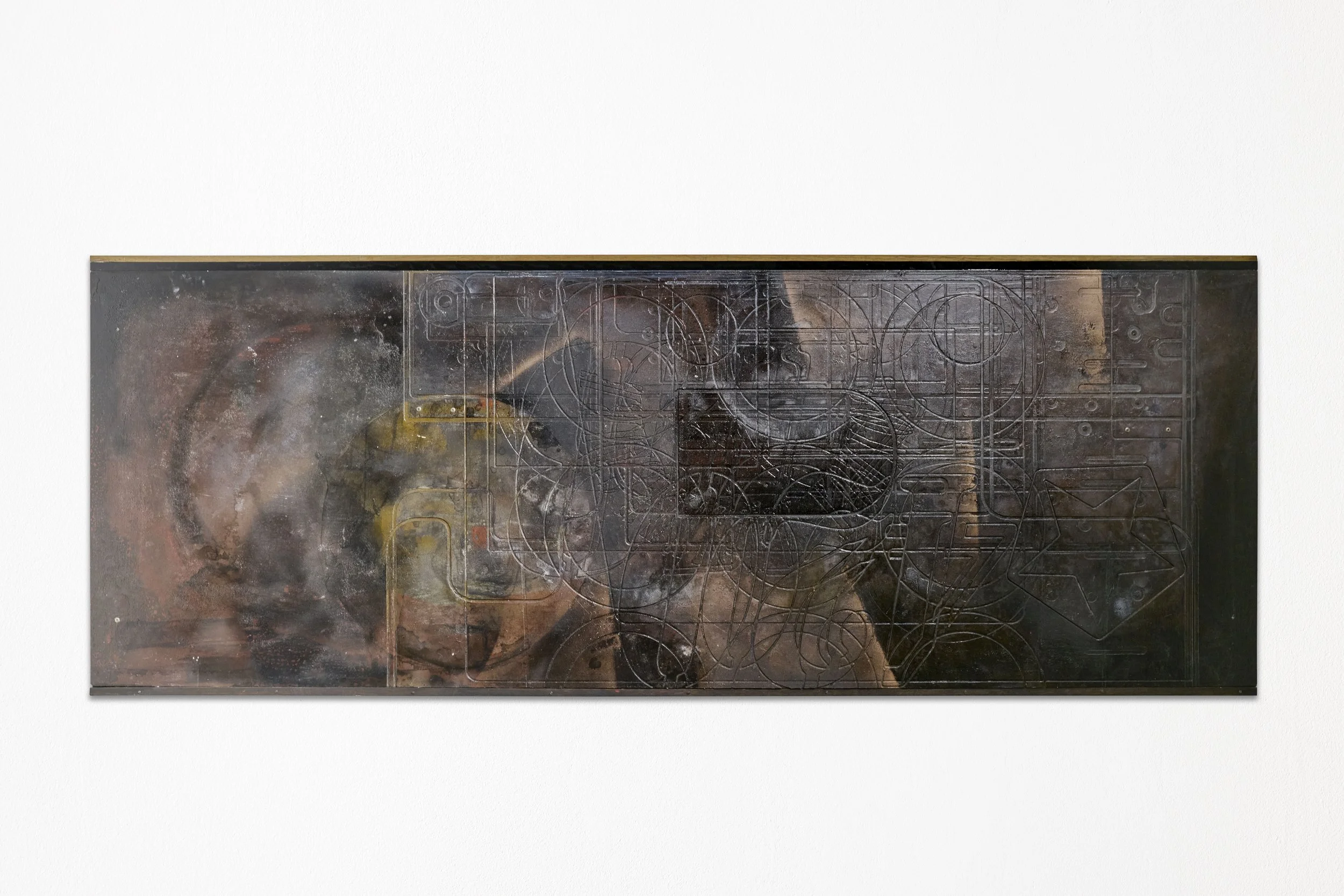
Marie Matusz Standard Operating Procedure (III), 2025 Mahogany wood, acrylic paint, lacquered resin on forex and acrylic glass 203 x 76 x 3 cm
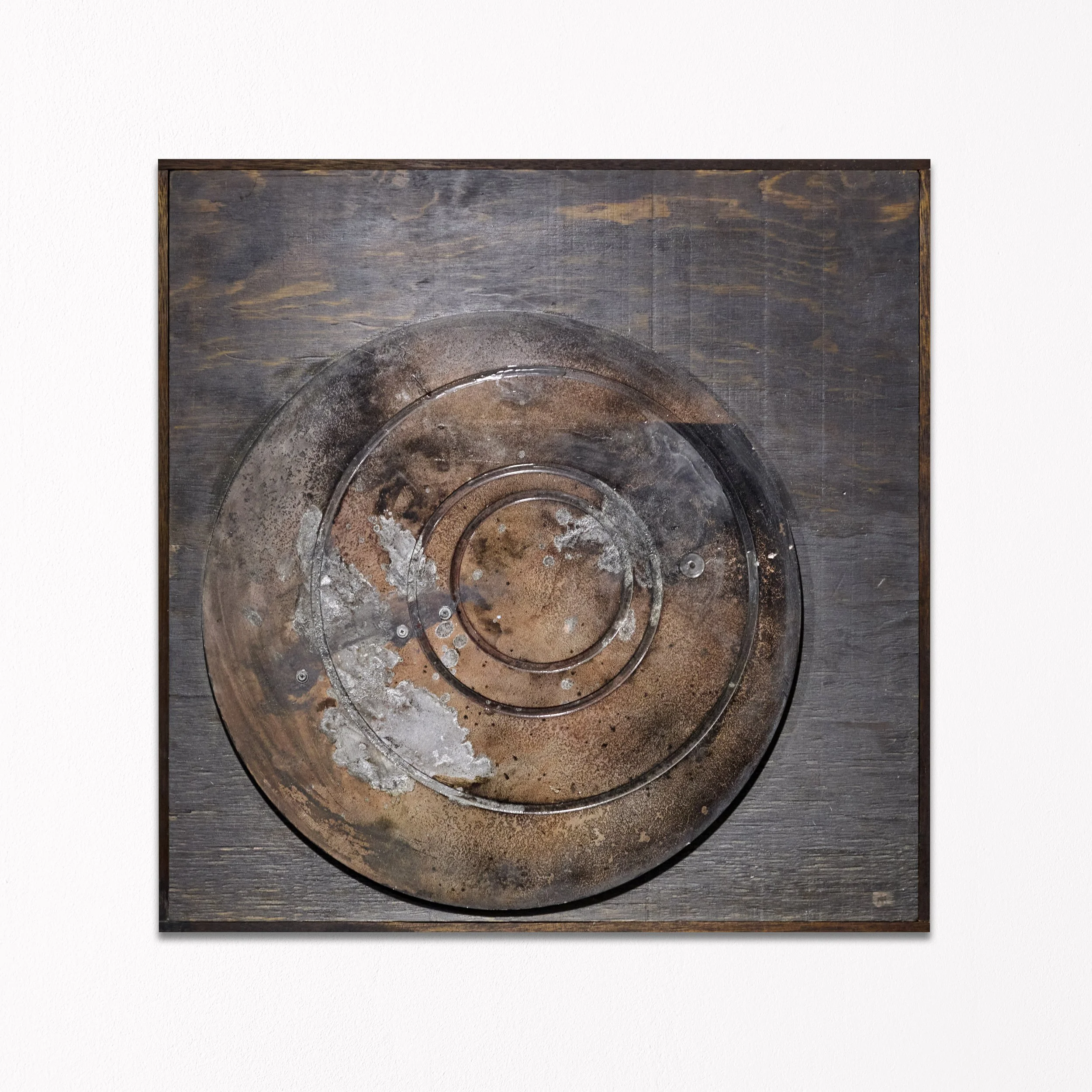
Marie Matusz All travellers, adventurers 2025 Mahogany wood, acrylic paint, lacquered resin on forex 55 x 55 x 3.5 cm

Marie Matusz Through the window I see the lights, but they don’t see me, 2025 Steel, wood, charcoal, acrylic, lacquered resin, coloured pencil, chinese ink 117 x 105 x 7 cm
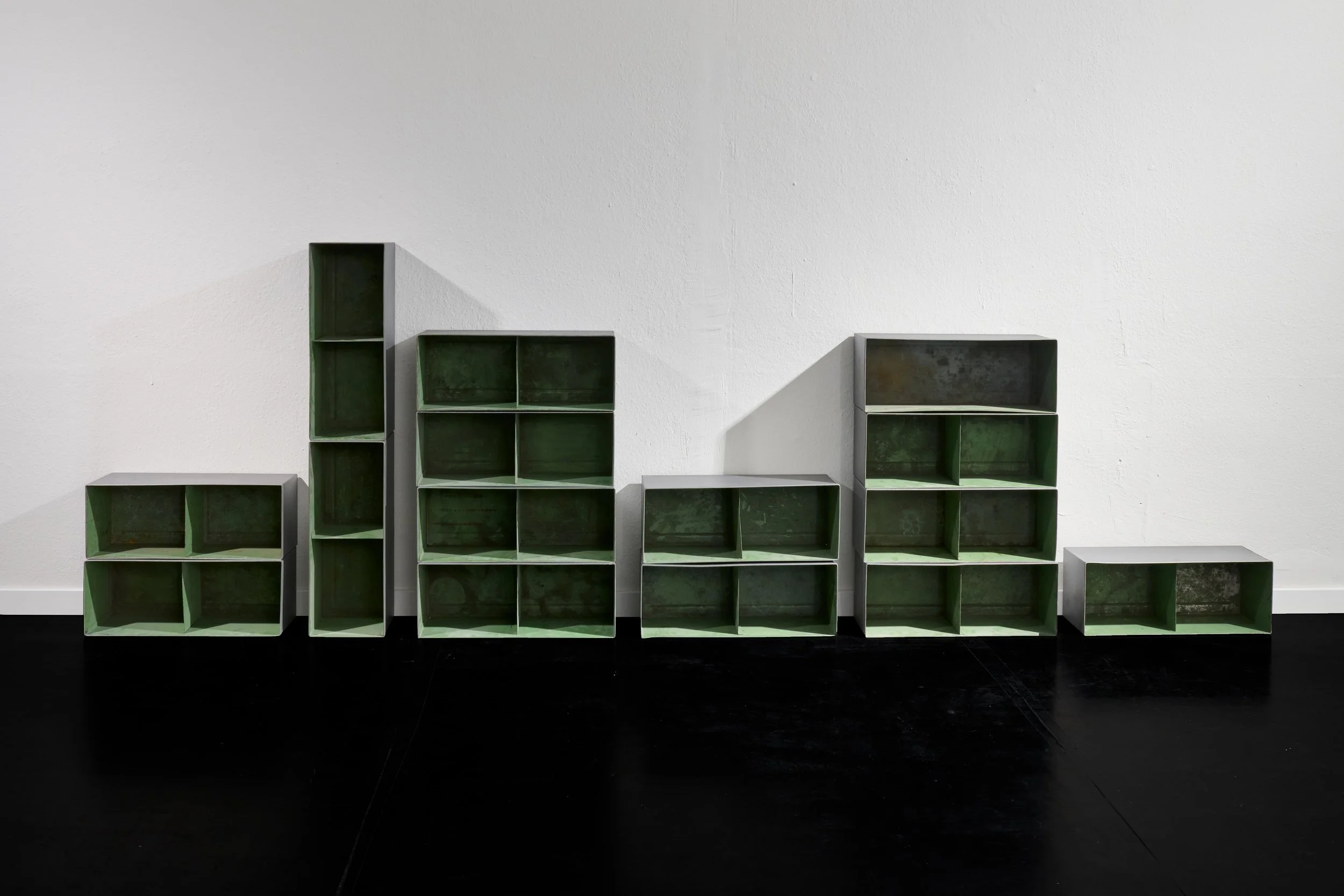
Marie Matusz Two room appartment building complex, 2025 15 parts, sandblasted and alumnium coated iron, fixative 44 x 17 x 15 cm (each) 270 x 90 x 15 cm
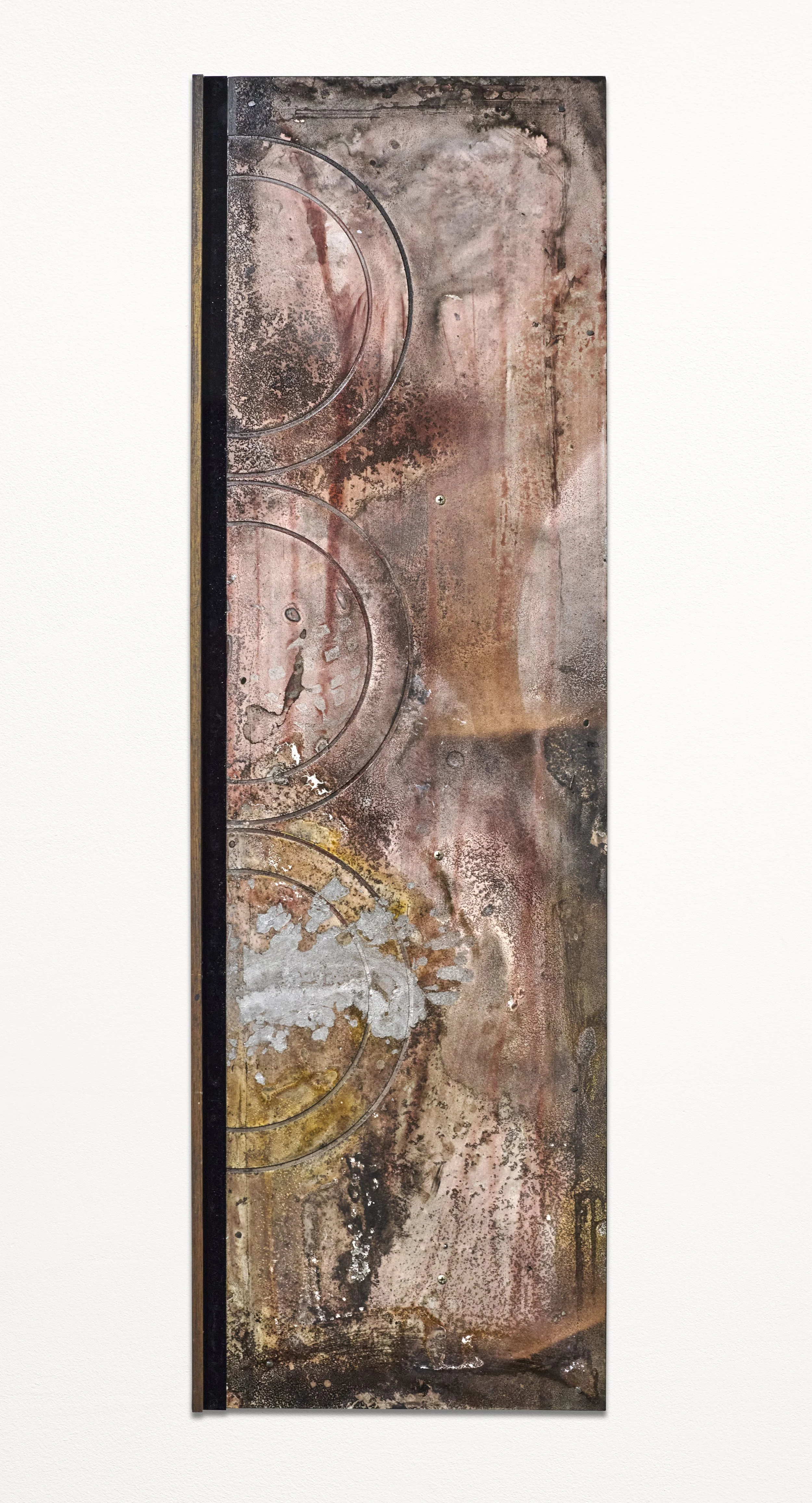
Marie Matusz Standard Operating Procedure (II), 2025 Mahogany wood, acrylic paint, lacquered resin on forex and acrylic glass 34.5 x 112 x 4 cm
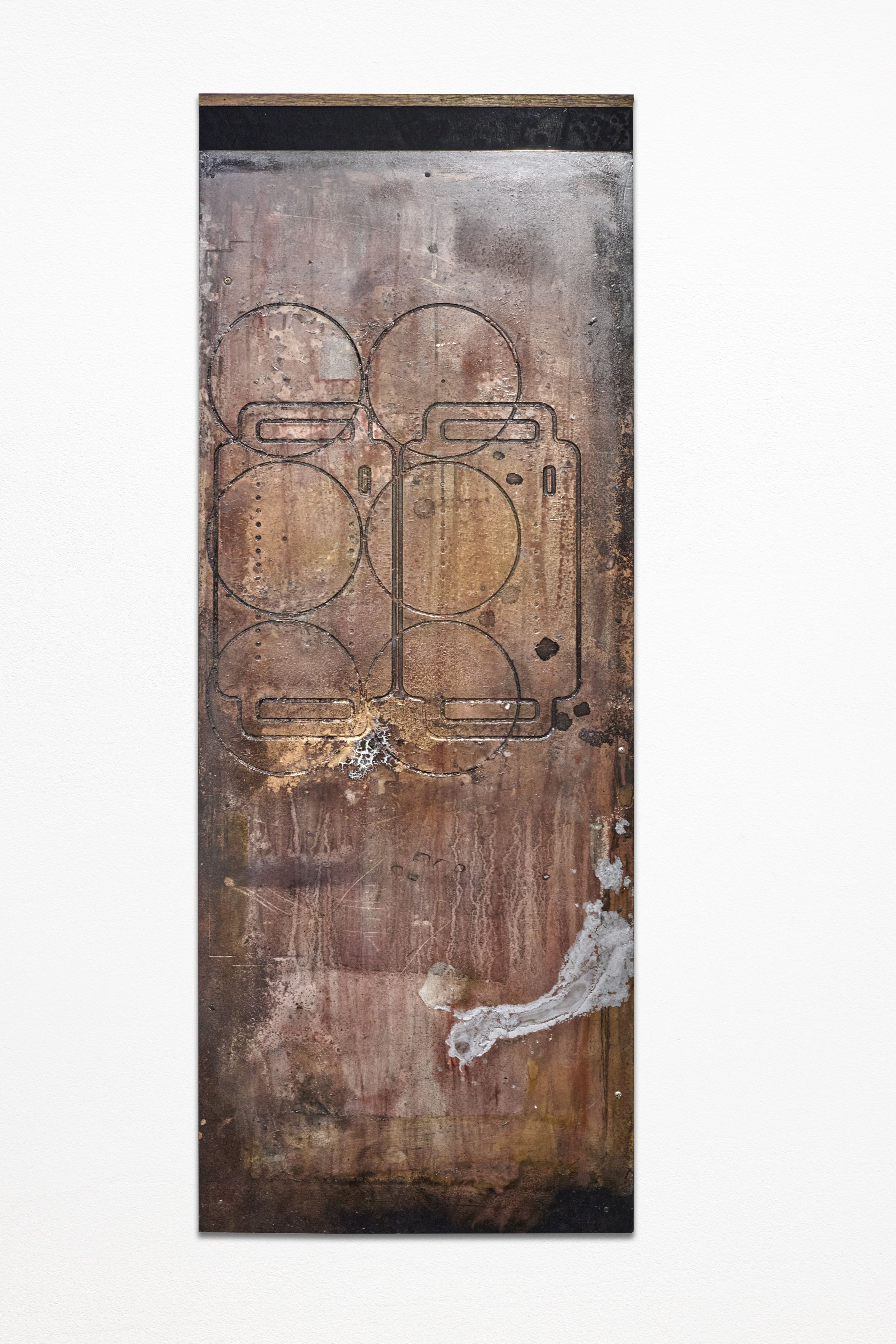
Marie Matusz Standard Operating Procedure (I), 2025 Mahogany wood, acrylic paint, lacquered resin on forex and acrylic glass 49 x 128 x 4.5 cm